Recommendations vs. Execution
January 27, 2026
The material handling industry has seen many software systems over the past few years that offer a multitude of dashboards with real time data, predictions, options, and recommendations to help facility operators make better decisions.
All this information is very valuable as it offers today’s operators a better view of what is happening on the floor and allows them to make better decisions. Operators then own the final decision of what actions to take and can accept or reject the recommendations of the software after evaluating the presented options.
Without question, the data and options presented by these tools are better than the limited information that was available to the operators before; however, I wonder if there isn’t a better approach.
As human beings, operators are limited in the number of options that they can consider and evaluate at a given moment. At a point, it just becomes too much data and overwhelming. Further, operators don’t always accept the recommended option(s) presented by the tools, resulting in operators being blamed for problems caused by ignoring the recommendations. In other cases, by the time operators can act on the recommendations, conditions in the warehouse have changed (e.g., inventory was depleted, a hot order came in, etc.), resulting in different types of problems. While the dashboards and recommendations help, the benefits are limited by the humans on the receiving end.
Computers are just better suited than humans at evaluating a large number of options. That is what computers are supposed to be good at. Computers can select the best option (based on their analysis) and execute that option instantly, removing the blame from operators for not following recommendations, or acting too slowly on stale data.
Driving real-time execution instead of just presenting data was one of the key design principles behind Fulfillment Engines. We set out to build a platform capable of crunching large amounts of data quickly, flexible enough to adapt to different customer operating models, able to make optimal decisions on the fly based on real-time data, then directing workers and resources to execute the optimized decisions seamlessly.
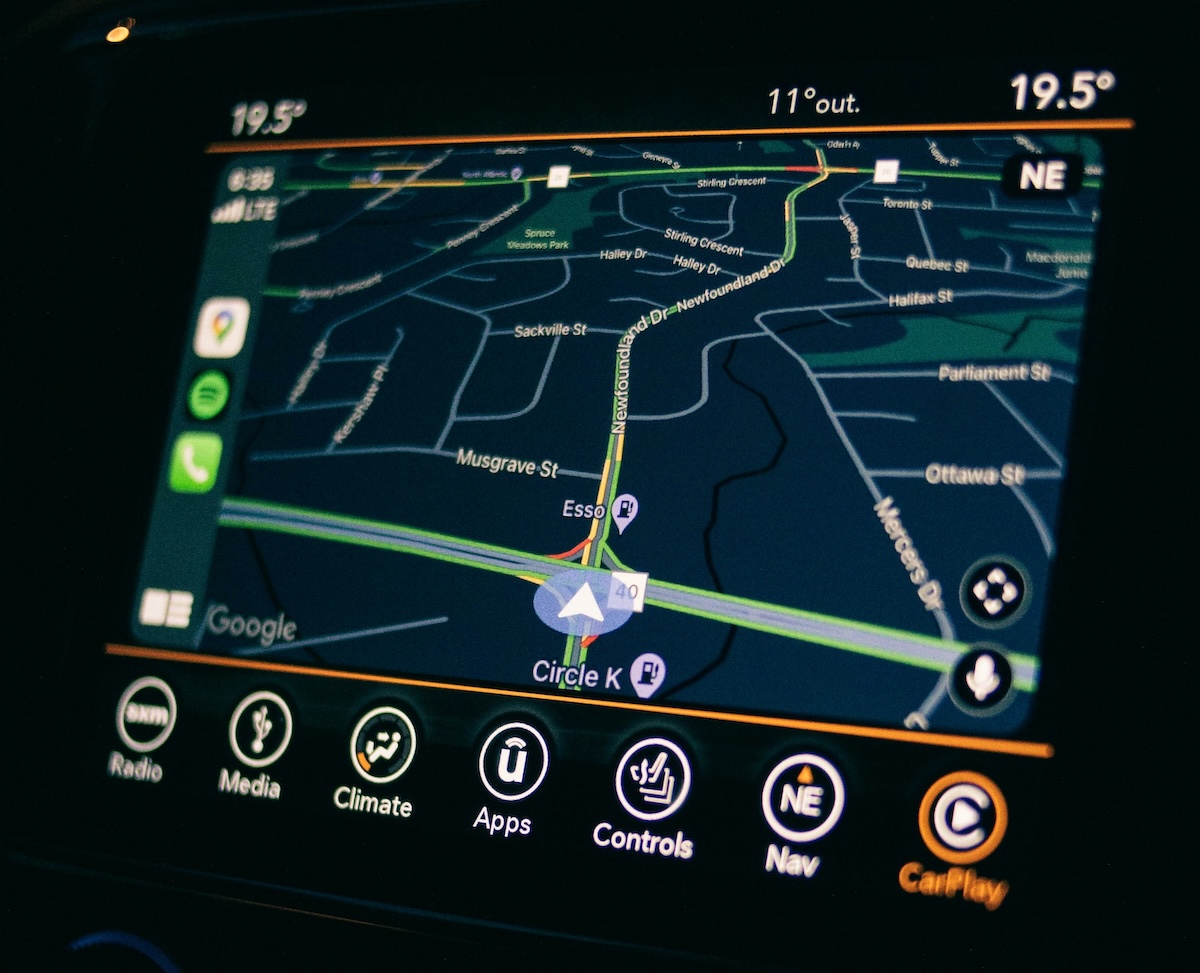
Dashboards and recommendations are good, but actually driving execution is better and necessary in today’s fast-paced e-commerce market where customers are demanding faster shipping. An analogy we like to use internally is mapping. Mapping sites like Mapquest in the 1990’s and 2000’s were a great improvement over highlighters and route planning using paper maps. They gave us options and called out points of interests along the way. But today, we all use turn-by-turn instructions from GPS. Why? Because GPS uses real-time data like traffic to make better real-time decisions (which highway to use or road to take). And GPS can help you adapt to the unexpected (missed a turn, road closures, etc.). That’s the model we used for developing Fulfillment Engines. We want to be the real-time GPS system for fulfillment, guiding pickers step-by-step throughout your warehouse and quickly adapting to the unexpected (hot orders, late replenishments, etc.).
Feel free to contact us if you would like to chat more about these topics or to better understand how Fulfillment Engines can help you ship orders faster and more cost effectively.
Arturo
CEO, Fulfillment Engines
About the Authors

Arturo Hinojosa
Founder and CEO, Fulfillment Engines
Arturo is the product and logistics visionary behind Fulfillment Engines. He is a materials handling industry veteran with over 30 years of experience at industry leaders such as Dematic, Reddwerks, and Fortna. Arturo is a vocal evangelist of the benefits of waveless order processing and applying advanced operations research techniques to solve customer problems. He has a Masters in Operations Research from Stanford University.